Free Shipping for all Order of ₹500
COD payment is available.


Deepak Singh
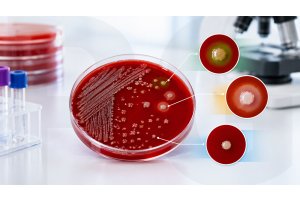
Blood Agar: Composition, Uses & Bacterial Growth
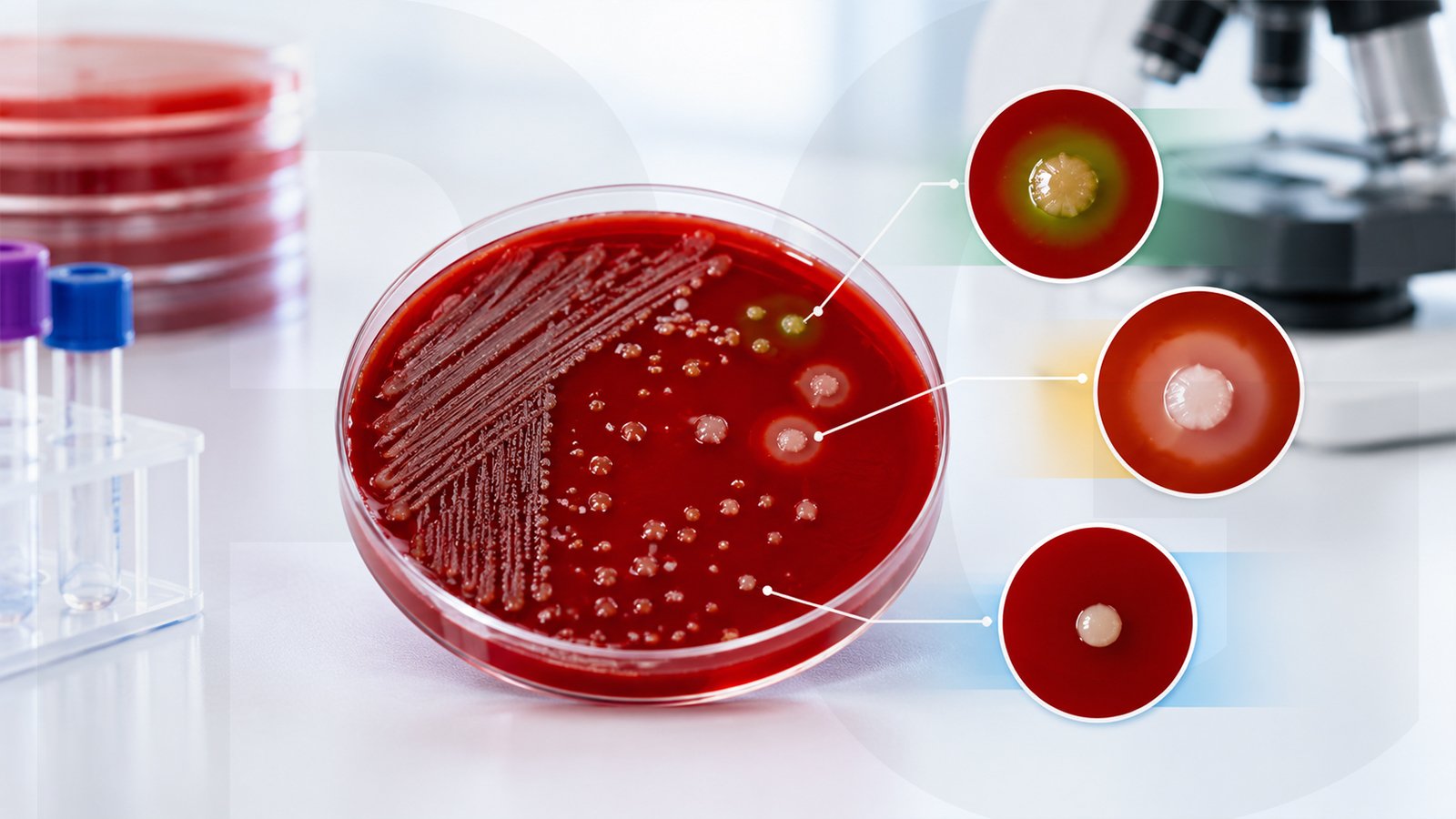
A throat swab arrives in the microbiology lab, carrying a mixture of bacteria. After incubation, several colonies with different characteristics will appear on the culture plate.
These features may be important because they allow laboratory personnel to determine clues as to how individual bacteria interact with red blood cells. These test results are not definitive but may provide important clues in the identification of an organism.
That’s where Blood Agar comes in. It promotes the growth of bacteria and gives hemolytic reactions on the same plate. This agar is useful not only in its ability to grow bacteria but also for the information that can be gained from it about hemolytic activity.
What Is Blood Agar?

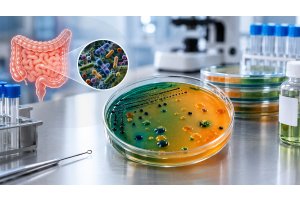
Hektoen Enteric Agar: Understanding the Challenge of Isolating Enteric Pathogens
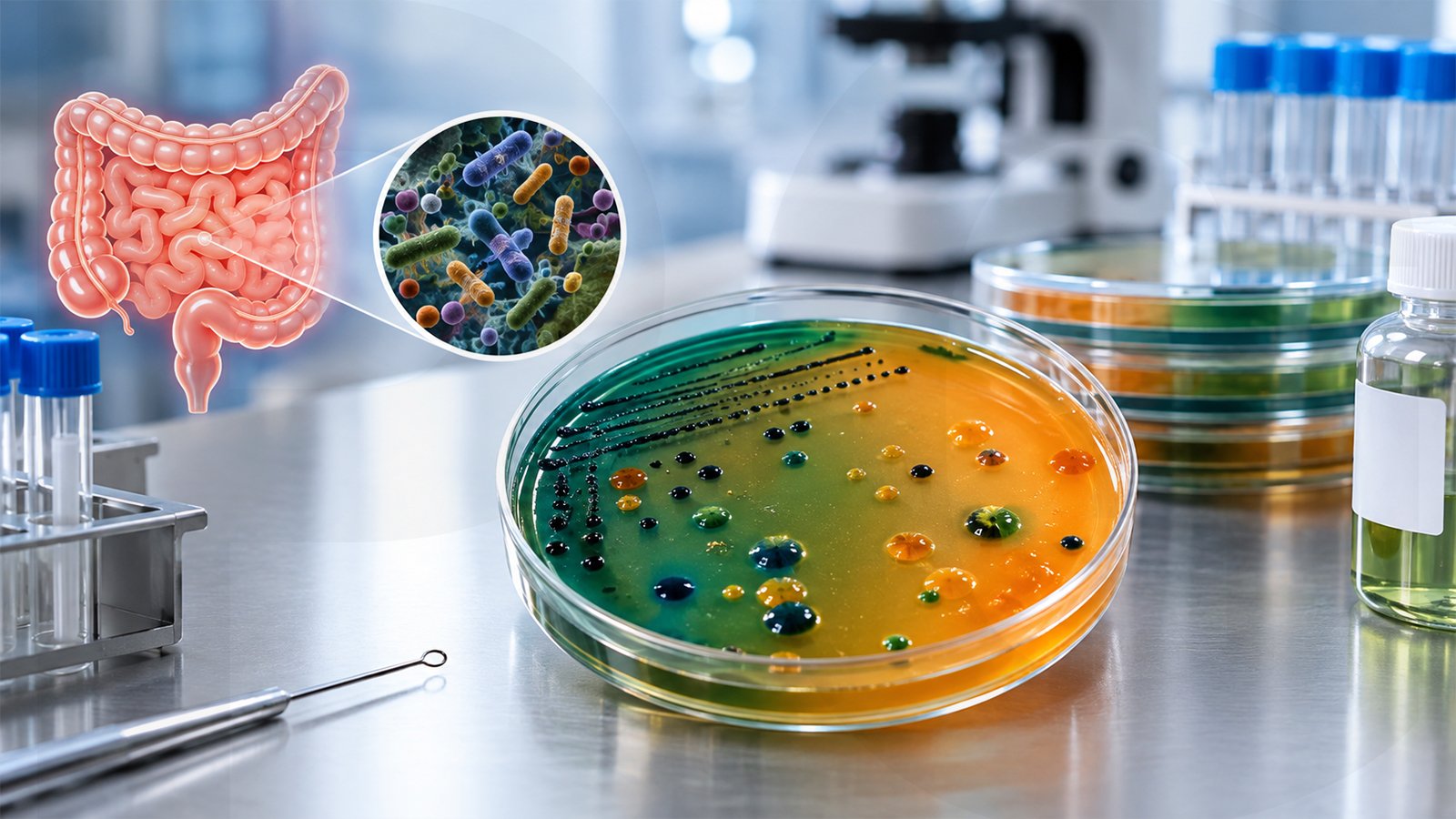
Imagine an intestinal sample full of various species of bacteria. Some are normal gut bacteria and some cause disease. These bacteria are difficult to distinguish when grown together on the same plate.
Microbiologists need a method of working reliably with these mixed populations. They can isolate single colonies and identify organisms that require further identification with appropriate culture media. Hektoen Enteric Agar facilitates this by combining selective inhibition with biochemical differentiation. Understanding how this medium works explains why microbiologists look for certain growth characteristics when they are investigating a pathogen.
Why Is Hektoen Enteric Agar Used?

Isolating a
How Bacterial Cell Walls Decide the Final Colour in Gram Staining
A stained bacterial smear can reveal an unexpected contrast under the microscope. Some are a deep purple shade and others appear pink. The contrast raises an important question: why do bacterial cells respond differently to the same stains?
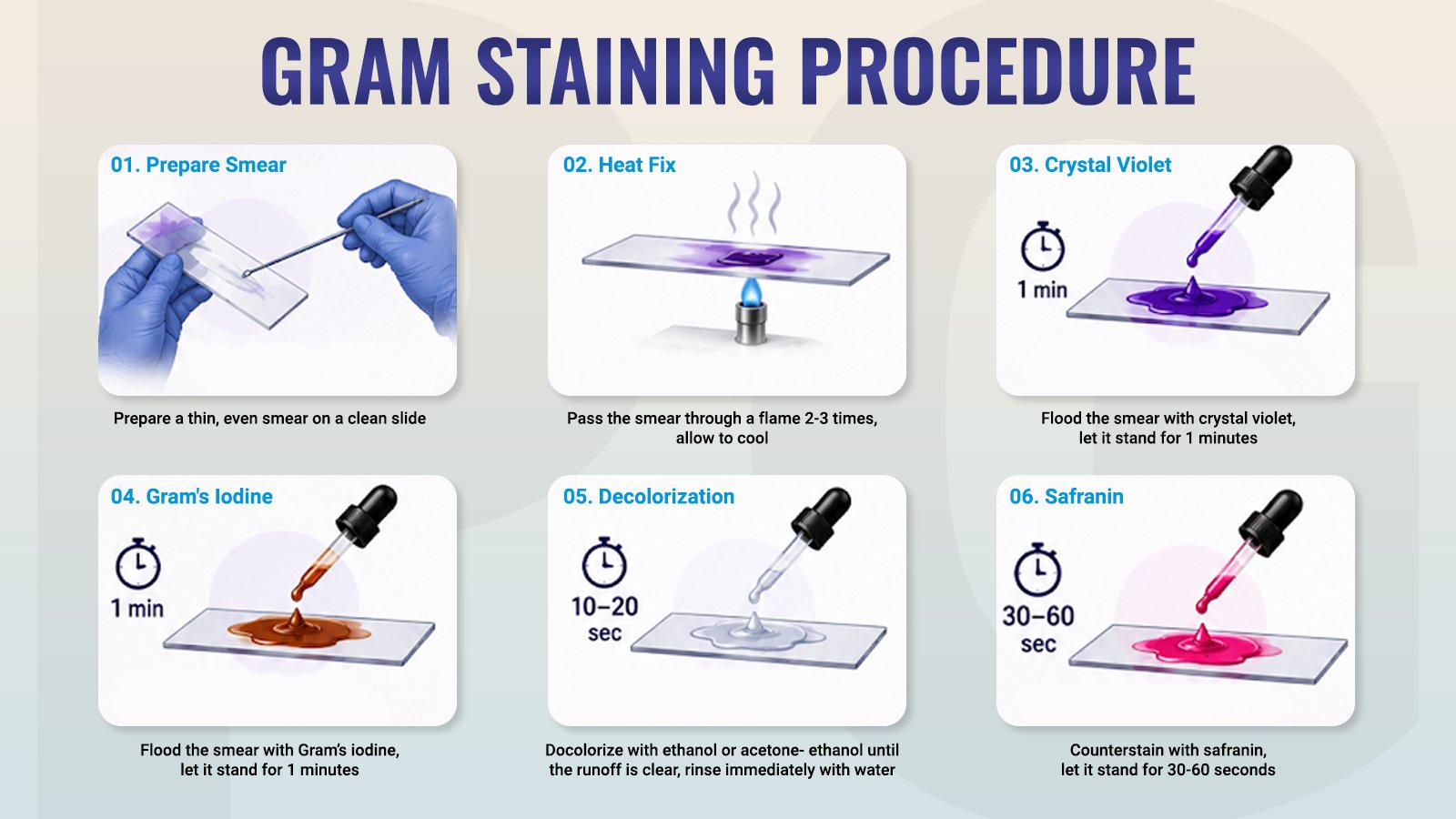
Gram staining answers that question with a series of carefully controlled steps. The method separates two main groups based on differences in the bacterial cell walls. It is a mixture of several reagents, each having a special part to play. The last colour provides information on cell behaviour during the staining process.
What Is Gram Staining?
Gram Staining method is used to differentiate bacteria according to their cell wall structure. It classifies bacteria into Gram positive and Gram negative.
The method begins by adding a purple primary stain to the bacterial
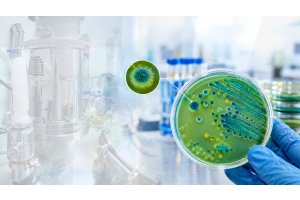
Cetrimide Agar: When Selective Growth Becomes a Microbial Clue
Different bacteria grow well under different conditions. Some require more nutrient-rich substances, while others can tolerate substances that inhibit their competitors.
This difference in microbial behaviour gives microbiologists a useful advantage. They can design culture media that provide certain conditions for the organism they want to find.
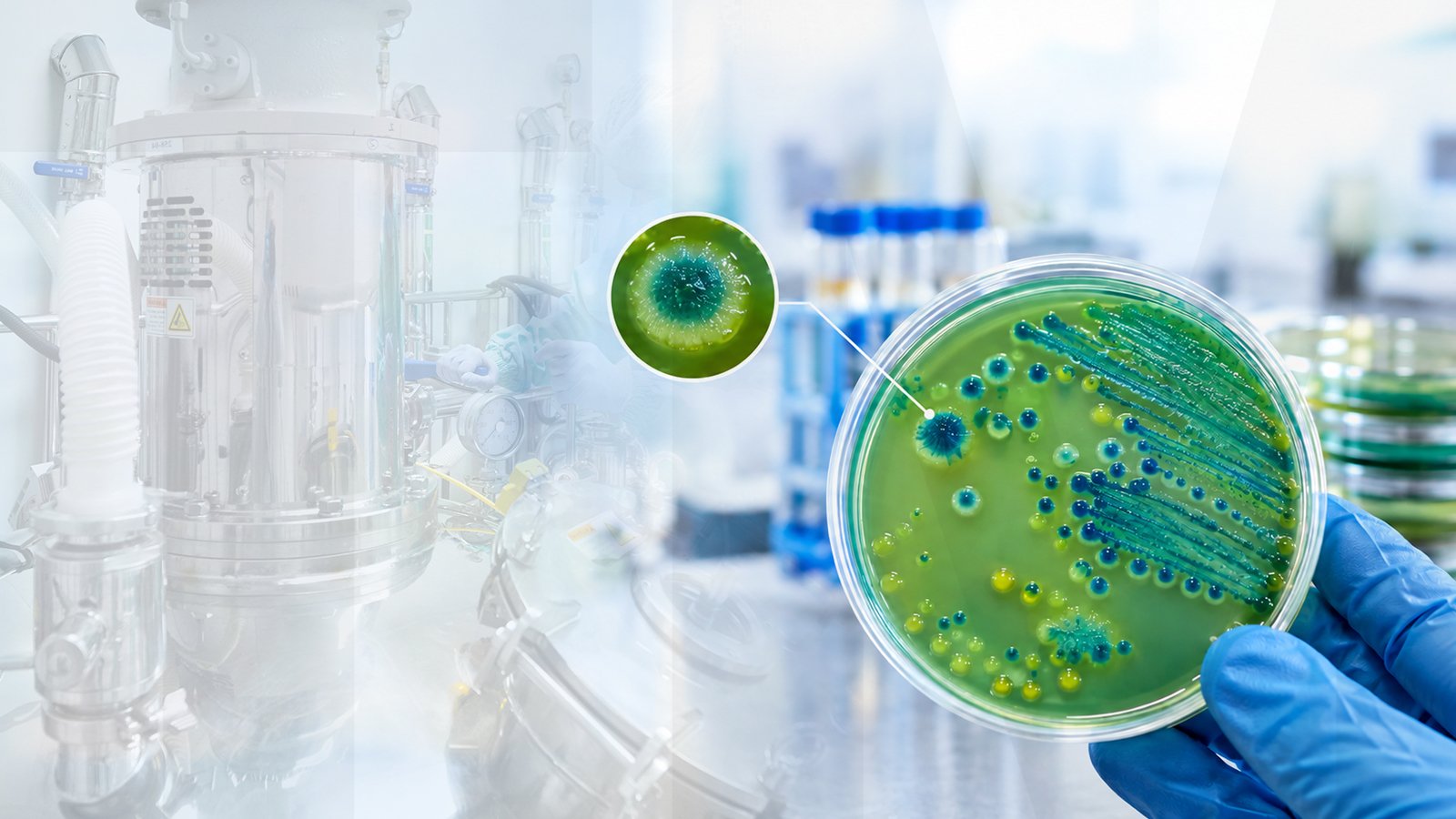
Cetrimide Agar is one of the media used for microbiological testing.
In its formulation, the nutrition elements are mixed with a selective agent to facilitate the growth of a particular microorganism.
Understanding the medium begins with its formulation. Every component plays a role, whether it’s promoting growth or providing the necessary selective conditions.
So, what exactly is this medium and

Various Approaches for Microbiological Assessment of Water Quality
Various Approaches for Microbiological Assessment of Water Quality
Water is a critical resource for sustaining life. To ensure the safety and purity of water, it becomes imperative to employ robust methodologies for evaluating its microbial content. The assessment of harmful microorganisms in water sources hinges on microbiological testing. In this blog, we will delve into various techniques for microbiological evaluation of water quality.
Techniques for Water Microbial Count:
- Membrane Filtration Method: The widely adopted technique involves passing a known volume of water through a 0.45-micron membrane filter. Microorganisms are retained on the filter, then transferred to a solid culture medium for growth and enumeration. Our Membrane Filtration Funnel, paired with CN Gridded Membranes, provides an ideal solution for this technique.
- Multiple-Tube Fermentation


The information below is required for social login
Sign In
Create New Account