Free Shipping for all Order of ₹500
COD payment is available.


The Economic Importance of Algae: Uses, Benefits & Applications
The Economic Importance of Algae: Uses, Benefits & Applications
What comes to mind when you think about microorganisms keeping our planet in check? When you first get your hands on the subject of microbiology, you most likely think first about bacteria and fungi. However, perhaps what you aren't thinking about is how important algae is for the things that happen all around us. What if we could alter your way of thinking?
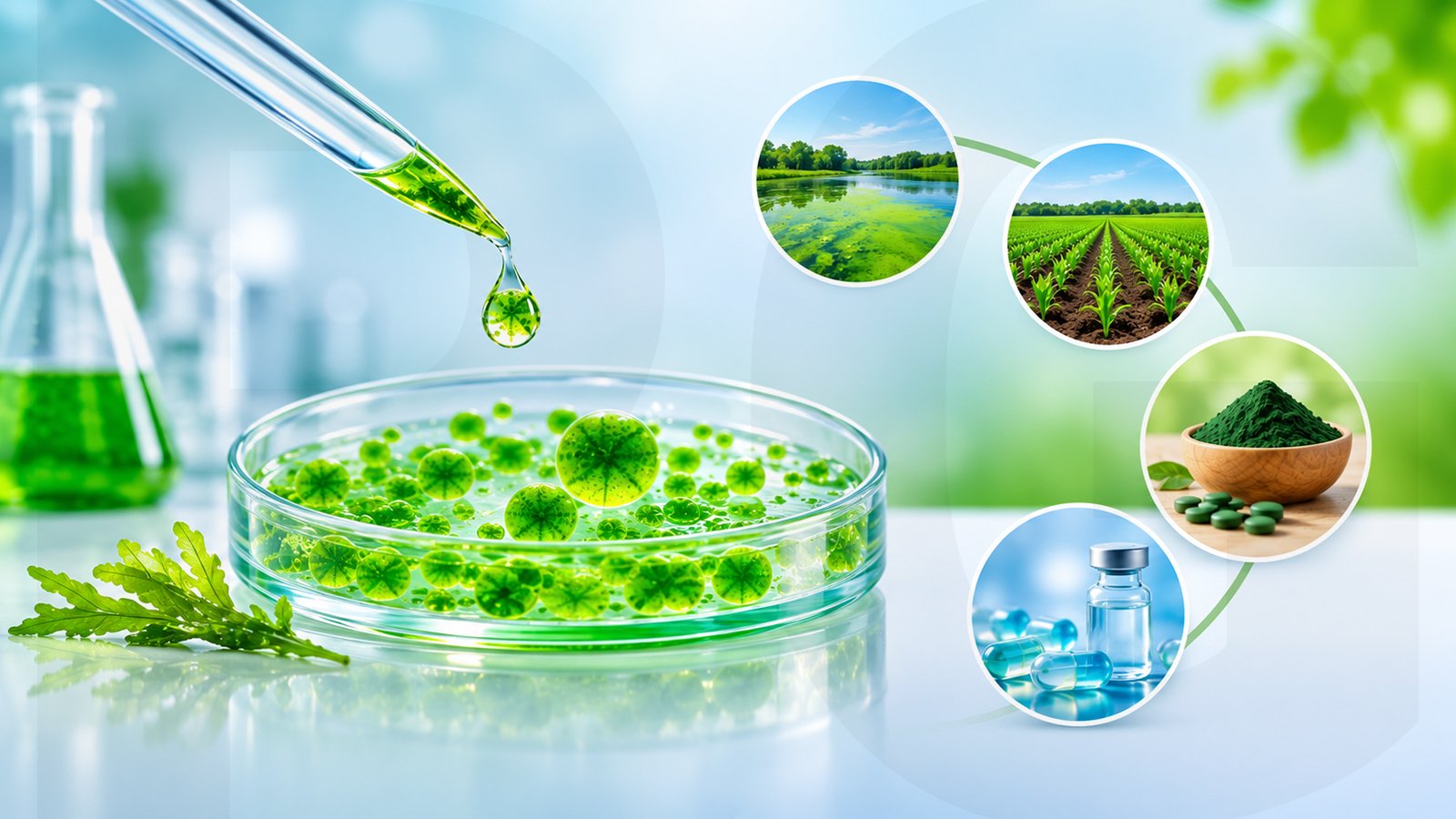
They sustain our food chains, provide the air we breathe and have even been harnessed for agriculture, pharmaceuticals and biotech – the economic importance of algae is very big. Here, in this blog, we'll reveal the links algae have to science, industry and our lives.
What Are Algae?
The more you learn about algae, the more you discover how incredible it is. It's one of the most diverse groups of organisms on earth, living in pretty much every environment that has water, from freshwater to salty ocean to moist soil. Some are microscopic, single-celled plants such as Chlorella and Chlamydomonas; some form astonishingly large multicellular plants, like giant kelp. The fact is: algae use their green chlorophyll pigment to capture water, light, and carbon dioxide and convert it to organic matter.
Types of algae based on their structure
|
Type |
Example |
|
Unicellular |
Chlorella and Chlamydomonas |
|
Colonial |
Volvox |
|
Multicellular |
Green, red and brown seaweeds |
One more name Blue-green algae, or Cyanobacteria, are not even truly algae. They're bacteria that were given the name because of their photosynthesis and flashy colour, but they don't even have a membrane in their nucleus.
The Role of Algae in the Environment

Importance of algae in food chains and nature:
Microalgae & phytoplanktons take in lot of carbon dioxide and exhale oxygen. Most algae like the sea weeds and sea phytoplankton produces Oxygen with the process of Photosynthesis which is very important for life.
Algae are at the base of the food chain in aquatic ecosystems, turning light energy into organic matter that then feeds smaller aquatic food creatures. They absorb CO2 from the atmosphere and then use that to grow, sequestering it in their bodies that then sink into the deep ocean – a 'carbon pump'. They also help move key nutrients like phosphorus and nitrogen around ecosystem.
However, there is another side to the story. Excessive growth of algae can create toxic algal blooms that emit poisons and rob oxygen from the water, which can kill aquatic creatures.
Economic Importance of Algae
Did you know algae are much more than a green eyesore in your pond? The economic importance of algae extends various sectors from agriculture and food processing to pharmaceuticals, biotech and detoxification. Their wealth of nutrients, photosynthetic content and bioactive compounds make algae valuable in many areas. Here are a few great uses for algae.
Uses of Algae in Agriculture
Here's the scoop: algae are the new sustainable agriculture secret. You may not be aware of this, but microalgae and seaweed extracts are loaded with nutrients, minerals, amino acids, polysaccharides, and other bioactive ingredients. What's in it?
- They support plant growth and development.
- They improve the properties of the soil and also activate microorganisms.
- They make nutrients more available.
- Excellent starting point for new biostimulant and biofertilizer products.
- They prepared the ground for sustainable crop production.
Certain kinds of nitrogen-fixing cyanobacteria, such as Anabaena and Nostoc, are important to agriculture, particularly rice paddies.
Uses of Algae in the Food Industry
There are a number of species that find application in food and beverage formulation, as they are a rich source of carbohydrates, proteins, lipids, as well as vitamins and minerals. Here are just a few:
- Spirulina: This food-grade cyanobacteria (aka blue-green algae) is nutrients-rich and may be present in foods and supplements.
- A freshwater microalga under study for its high protein and nutrients.
- Carrageenan: This widely used gelling agent can be made from red algae.
- Alginate – A polysaccharide obtained from seaweed which is used as a stabilizer and thickener.
These examples are just a few of how disruptive algae is in the areas of food innovation and alternative food sources.
Applications of Algae in the Fields of Pharmaceuticals and Biotechnology
Algae aren't only benefiting you from the inside out - they're also playing a role in medicines and biotech. As if that isn't exciting enough, algae excrete tons of bioactive compounds. Researchers studying algal metabolites are finding that many have antioxidant, antimicrobial and anti-inflammatory effects. Here are some important applications:
- Searching for bioactives in algal extracts.
- Using natural pigments for pharma and industrial applications.
- Investigating algae-derived compounds for drug discovery.
- Exploring the potential of algae as sources of high-value biotechnologically relevant products.
We could potentially even cultivate microalgae for the production of other interesting biomolecules such as lipids and pigments. Isn't that awesome?
Application of Algae in Wastewater Treatment
You won't believe, but algae can actually aid in waste water treatment to purify water by taking in nutrients like nitrogen and phosphorus from the water. Technology using algae is being used to treat:
- Nutrient removal from wastewater.
- Supporting biological wastewater treatment.
- Reducing excess nutrient accumulation.
- Recovering useful biomass from treatment systems.
These examples demonstrate the use of algae as an environmental management instrument.
Applications of Algae in Biofuel Generation
We've saved the best for last: algae, in particular microalgae, may become the greatest source of renewable energy on earth. Some types of algae contain high levels of lipids that can be readily transesterified into biodiesel fuel, and their rapidly reproducing biomass can be exploited to produce biogas or other bioenergy forms. Because algae require carbon dioxide and thrive in the proper conditions, they may become the biofuel of the future -- if we can find a way to bring commercialization to scale.
Looking for any equipment or products you need for your research? Browse our products here!
Conclusion
The economic importance of algae have a lot more to them than you might realize: an oxygen source, a base of the food chain, a vehicle for carbon recycling, and diverse applications for agriculture, food, medicine, biotech, and environmental remediation.
More for microbiology students: Discovering the spectrum of life of algae will help you in your microbiology studies as you gain a broader understanding of the microbial kingdom, the process of photosynthesis and the importance of microbes in the world around us.
Or do you require fun lab activities for students? Take a look at our collection of essential lab supplies to start a learning journey!
Shop at MyMicroLab.com microbiology lab supplies that will set you up to succeed in the classroom and in the lab. The exciting world of microbiology awaits!
Frequently Asked Question (FAQs)
Q1. Why are algae so important?
A. Algae are one of the oxygen producers, carbon dioxide consumers, nutrients suppliers, and aquatic foodwebs builders. They are primary producers and actually the basis of the diversity of aquatic ecosystems.
Q2. What are the five major functions of algae?
A. The main five uses of algae are food production, agricultural uses, pharmaceutical uses, waste water treatment and bio fuel development.
Q3. Which kinds of algae are used for agricultural purposes?
A. Chlorella and other microalgae, for example, as well as the cyanobacteria Anabaena and Nostoc are explored and used as agriculture tools. A selection of cyanobacteria can fix nitrogen from the atmosphere and thus could have benefits for soil fertility.
Q4. Why are algae important for microbiology students?
A. Algae are a good source of information for students studying microbiology to learn about photosynthesis, the organization of cells, microbial diversity and reproduction, as well as the use of a microscope and aquatic environments.
Q5. Are algae used in laboratory research?
A. Yes, research on algae is carried out, especially on projects related to the photosynthetic systems, environment, biotechnology, biofuels and functional bioactive compounds, and the cycle of nutrients.

leave a reply
Your email address will not be published. Required fields are marked *

The information below is required for social login
Sign In
Create New Account